
Can luck really influence your casino experience?
The Nature of Luck in Gambling
Luck is often perceived as a mystical force that plays a significant role in gambling. Many believe that the success of games like slots, roulette, and blackjack can largely depend on random chance. In casinos, players frequently attribute wins and losses to luck, suggesting that some individuals possess a natural ability to attract favorable outcomes. For those looking to explore this aspect further, the chance to win can be enhanced when they consider options like $20 neosurf casino australia real money , as this belief in luck can enhance the thrill of playing, with each spin of the wheel or flip of a card becoming an engaging moment filled with possibilities.
Psychological studies reveal that a sense of luck can influence a player’s confidence and decision-making. Players who feel fortunate might take more risks, betting larger amounts or trying out new games. This heightened sense of optimism can lead to both increased enjoyment and the potential for greater losses. On the other hand, players who feel unlucky may approach games with caution, limiting their bets and choices based on fear of further losses. Therefore, the notion of luck can shape how players experience the casino environment and impact their overall gambling behavior.
Additionally, luck is often tied to superstition within the gambling community. Many players carry tokens, wear specific clothing, or follow rituals they believe bring luck. These behaviors highlight the psychological element of luck, as individuals seek to exert control over their experiences in an otherwise unpredictable setting. While luck is an abstract concept, its influence on players’ emotions and actions can significantly alter their casino experiences, making it a crucial aspect of the gambling culture.
The Role of Skill and Strategy
While luck is an undeniable factor in many casino games, skill and strategy also play a crucial role, particularly in games like poker and blackjack. Players who take the time to study the rules, develop strategies, and understand the odds can enhance their chances of winning. For instance, a skilled poker player knows how to read opponents, calculate probabilities, and make informed decisions that are not solely reliant on luck. This combination of skill and chance creates a richer experience, demonstrating that successful gambling often involves both elements.
Moreover, certain table games allow players to use strategies to mitigate the house edge, thereby increasing their overall chances of success. Blackjack, for example, involves strategic decisions that can affect the outcome of the game. By employing techniques such as card counting or optimal betting strategies, players can navigate the uncertainty of luck in a more informed manner. This skill component reinforces the idea that while luck can play a dominant role in the outcome of specific hands or spins, a knowledgeable approach can significantly impact long-term results.

Additionally, the dynamics of skill and luck can create an exciting environment for players. Casino tournaments and competitive play often highlight these aspects, as participants must rely on their skills while also hoping for a stroke of good fortune. This blend of strategy and luck contributes to an engaging atmosphere where players feel empowered to take charge of their gaming experience, reinforcing the notion that while luck is a factor, skill remains equally relevant.
The Influence of Casino Environment
The casino environment itself can greatly influence a player’s perception of luck and their overall experience. Factors such as lighting, decor, and layout can create a sense of excitement and anticipation, heightening emotions during gameplay. For example, the rush of bright lights and sounds from slot machines can lead players to feel as though they are in a vibrant space filled with endless opportunities, reinforcing the belief that luck is on their side.
Additionally, the atmosphere of camaraderie or competition among players can affect individual beliefs about luck and success. Social interactions at tables can instill a sense of collective luck or shared experiences, as players often cheer for one another or share stories of recent wins. This creates a communal environment where the idea of luck becomes more tangible, as individuals feel connected through the common hope of achieving favorable outcomes. Such environments can enhance enjoyment, making the act of gambling not just about the games themselves but also about the social experience surrounding them.
Furthermore, casino promotions and loyalty programs can shape perceptions of luck. Players may feel more fortunate when they receive complimentary drinks, bonuses, or rewards, reinforcing a positive feedback loop. This can lead to a sense of entitlement regarding luck, where players believe they are more deserving of wins because of their loyalty. As a result, the casino environment actively contributes to the belief that luck is a key player in their gaming journey.
The Psychological Impact of Winning and Losing
The psychological effects of winning and losing in a casino can have long-lasting impacts on a player’s perception of luck. Winning, even if just a small amount, can create a euphoric feeling that may lead individuals to believe that luck is abundant in their experience. This sense of euphoria can encourage players to continue gambling, often leading them to chase losses in hopes of recapturing that initial thrill. Such behavior can create a cycle where players remain entrenched in the belief that luck will ultimately favor them, despite the reality of fluctuating fortunes.
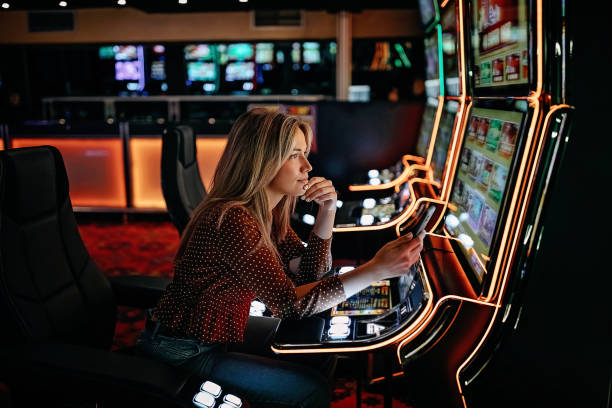
Conversely, consistent losing can cultivate a sense of defeat, impacting a player’s emotional state and self-esteem. Players who experience a streak of bad luck may begin to feel that the odds are stacked against them, fostering negativity and frustration. This emotional rollercoaster can lead to a withdrawal from gaming altogether or a shift in how players approach future gambling experiences. They may become more cautious, hesitant, or superstitious, relying heavily on perceived luck in hopes of avoiding further losses.
The psychological interplay between winning and losing emphasizes that luck is not just a matter of chance but also deeply intertwined with individual emotions and experience. For many players, the belief in luck can be a double-edged sword, offering the thrill of hope while also presenting the risk of disappointment. This complex relationship makes luck a pivotal factor in how people perceive and engage with their casino experiences.
Understanding Luck Through a Personal Lens
Each individual’s understanding of luck is shaped by personal experiences, beliefs, and cultural influences. For some, luck is seen as a random force, while others may view it as a result of personal actions or rituals. Personal stories of lucky streaks or unfortunate losses often circulate in gaming circles, contributing to the notion that certain players may be “luckier” than others. This concept creates an intriguing narrative that adds depth to the casino experience, as players share their unique perspectives and insights.
The narratives of luck can also interact with social and familial beliefs about gambling. Individuals raised in environments where luck was celebrated or emphasized may carry these beliefs into adulthood, influencing how they approach gambling. For instance, a person who grew up hearing tales of their relatives’ lucky gambling experiences may enter a casino with a strong belief in their own potential for luck, acting with more confidence and enthusiasm. This personal lens shapes how players navigate the gambling landscape, reinforcing the notion that luck is a subjective experience.
Ultimately, understanding luck through a personal lens encourages reflection on how beliefs and stories impact gaming experiences. Players may find that their perceptions of luck are more about personal interpretations and connections than mere chance. This introspective approach can enrich the gaming experience, prompting players to appreciate the subjective nature of luck and its influence on their overall enjoyment of the casino.