
Can skill really outperform luck in casino games?
The Role of Skill in Casino Games
Understanding the dynamics of casino games often leads to a debate about the importance of skill versus luck. In games like poker, skill is undeniably vital. Players must understand strategies, psychology, and probability to increase their chances of winning. For instance, a skilled poker player can read their opponents, calculate odds, and make calculated decisions that significantly affect the outcome of the game, suggesting that their expertise can indeed outweigh the role of chance. Additionally, those who enjoy games like slots might prefer options such as crypto casino instant withdrawal to enhance their gaming experience. The ability to bluff effectively or to fold at the right moment showcases how strategic thinking can lead to victory.
In contrast, games such as slots or roulette are primarily luck-driven, with outcomes determined by random number generators or physical mechanics. Here, the player’s skill has little to no impact on the result. However, even in these games, players can employ strategies designed to manage their bankroll and maximize enjoyment. This reveals a nuanced relationship between skill and luck within different types of casino games. For example, a player might choose to set limits on their spending or time, which can enhance the overall experience, even if the outcome remains largely left to chance.
Moreover, skill can often enhance the overall gaming experience. Players who invest time in learning the intricacies of a game may find themselves enjoying it more, as they can appreciate the complexities and strategize accordingly. Thus, while skill may not change the odds in pure chance games, it can certainly elevate a player’s experience and engagement. By focusing on understanding the game mechanics and developing personal tactics, players can create a more fulfilling and enjoyable environment for themselves.
The Importance of Luck in Games of Chance
Luck is an integral part of casino games and has a profound impact on their outcomes. In games that rely heavily on chance, such as slots and roulette, the unpredictability of results can lead to significant swings in fortune. A player can experience massive wins or devastating losses purely based on random outcomes, illustrating the uncontrollable nature of luck in these situations. Even the most seasoned gamblers will acknowledge that luck often plays a large role, regardless of their experience or strategy. This randomness is a core component of the excitement associated with playing these games.
This reliance on luck also underlines the appeal of these games. The thrill of hitting the jackpot or winning a large bet encapsulates the excitement that draws many players to casinos. The randomness and possible outcomes create a dynamic atmosphere where anything can happen, embodying the essence of gambling. While skill may not influence the outcome, the sensation of anticipation and the chance to win big are what many players seek. Such experiences can create lasting memories and an addictive draw to the gaming floor.
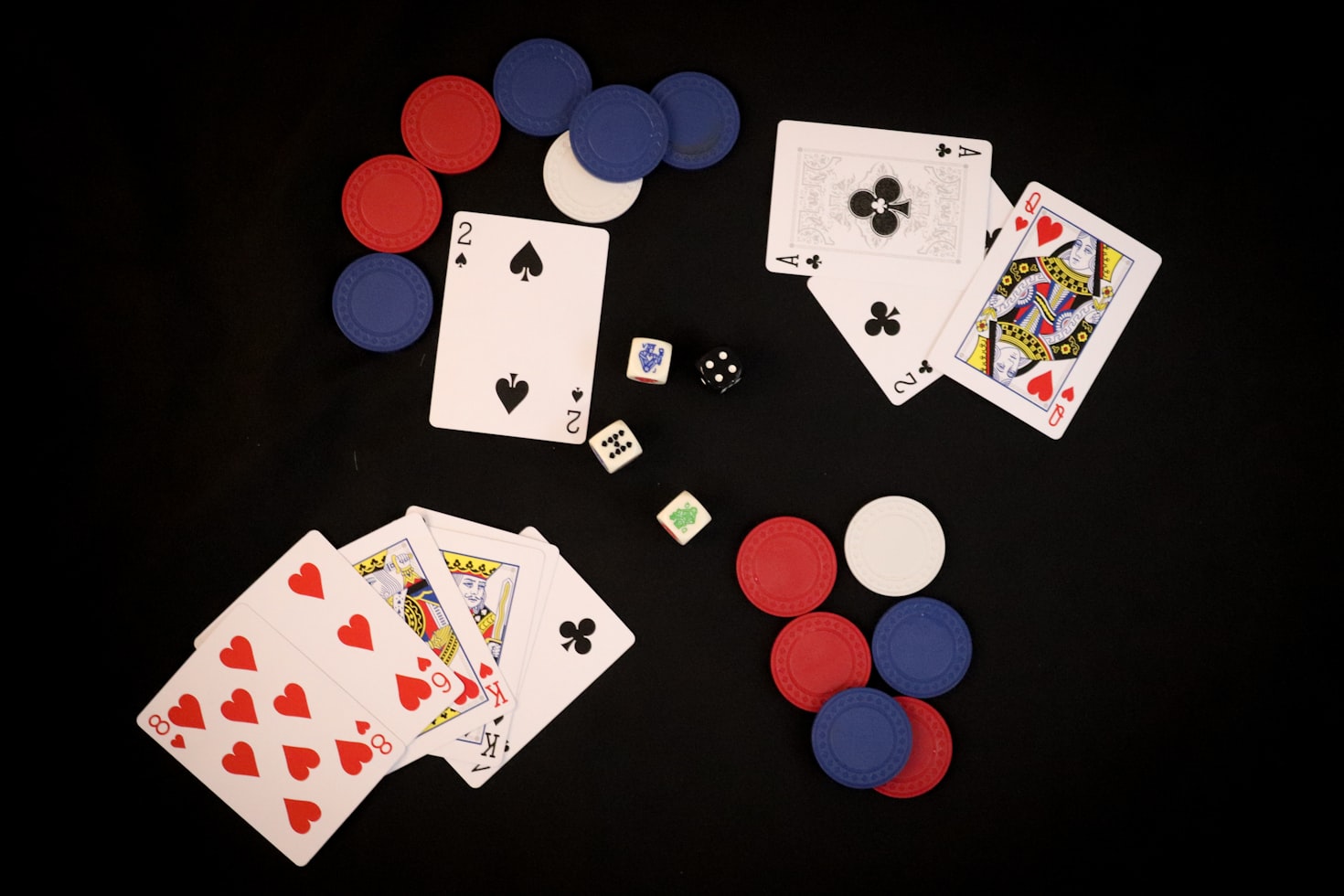
Furthermore, the coexistence of luck and skill in casino games highlights a broader conversation about chance. Many players develop superstitions or rituals in hopes of swaying luck in their favor. Whether it’s playing specific machines, using lucky items, or following personal patterns, these behaviors reflect an innate desire to harness luck. Ultimately, this intersection of skill and chance forms a unique gaming experience for every individual. Players often find comfort in these rituals, which can create a sense of control in an inherently uncontrollable environment.
Analyzing Games Where Skill Dominates
Among the spectrum of casino games, poker emerges as a premier example where skill can decisively outperform luck. In poker, players compete not just against the cards, but also against each other. The ability to bluff, read tells, and manage bets plays a critical role in determining who walks away a winner. These skills, executed effectively, can tilt the odds in favor of a knowledgeable player, making it possible to achieve consistent winnings over time. The strategic depth of poker fosters an environment where players can refine their abilities through practice and experience.
Beyond poker, games like blackjack also prominently feature skillful decision-making. Players can use strategies such as card counting and optimal betting techniques to gain an edge. When players leverage their skills, the game transforms from mere chance into a strategic battle of wits. This shift emphasizes the importance of understanding probability, risk management, and emotional control, reinforcing the narrative that skill can indeed prevail. The mathematical aspect of blackjack, combined with psychological insights into opponents’ behavior, creates a game where informed choices lead to a significant advantage.
Even games like baccarat, which might appear to be largely luck-based at first glance, can yield more favorable outcomes for skilled players. Knowing when to bet on the banker or player, understanding the odds, and calculating potential outcomes can refine a player’s approach. Thus, in certain games, skill not only complements luck but can become a significant factor in achieving success. This complexity allows for a broader range of strategic approaches, making the game rewarding for those willing to invest time in learning and honing their craft.
The Impact of Experience on Game Outcomes
Experience often becomes a defining factor in whether skill can outperform luck in casino games. Seasoned players usually develop an intuitive grasp of the games they play, enabling them to make better decisions under pressure. This experience can lead to a deeper understanding of game mechanics, opponent behavior, and optimal strategies. For instance, a player who frequently engages in blackjack will likely make more informed decisions than a novice, thereby increasing their chances of winning over time. This accumulated knowledge can turn the tide in competitive gaming scenarios.

Moreover, experienced players often have a psychological edge. They are more adept at handling volatility and managing their emotions, which can be vital during critical moments in a game. By staying calm and collected, they can make rational decisions rather than succumbing to panic or impulsiveness, which can often lead to poor choices. This emotional intelligence, honed through countless hours of play, illustrates how skill and experience can combine to mitigate the randomness of luck. Maintaining composure in high-stakes situations can be just as important as technical skills in determining the final outcome.
Additionally, experience allows players to develop personal strategies that resonate with their play style. For example, a player might discover that a conservative approach works best for them, or they might find success in aggressive betting. Over time, these tailored strategies can yield a consistent positive outcome, further highlighting how skill can not only exist in tandem with luck but can sometimes outshine it in specific contexts. A deep understanding of one’s own strengths and weaknesses can provide a significant advantage in both casual and competitive settings.
Conclusion: The Balance of Skill and Luck in Gaming
The debate over whether skill can outperform luck in casino games reveals the intricate balance of these two elements. While certain games predominantly rely on chance, others allow skillful players to leverage their knowledge and experience to gain a competitive advantage. This blend of skill and luck creates an engaging environment, encouraging players to enjoy the thrill while also honing their abilities. The notion that skill can influence outcomes gives many players hope and motivation to improve their game.
Ultimately, the blend of these two aspects makes casino gaming a rich and multifaceted experience. Players who understand the importance of both skill and luck can maximize their enjoyment and potentially increase their chances of winning. Moreover, this understanding empowers players to approach gaming with a strategic mindset, which can amplify their long-term success and satisfaction. A balanced perspective can help players navigate their gaming experiences more effectively, resulting in greater enjoyment and potentially better outcomes.
As the world of gaming evolves, the conversation surrounding skill and luck will undoubtedly continue. Whether you’re a casual player or a seasoned pro, embracing both aspects can provide a more fulfilling experience and deeper appreciation for the games. By recognizing the value of skill while acknowledging the whimsical nature of luck, players can navigate the gaming landscape with more confidence and insight. Ultimately, this interplay between skill and luck defines the essence of casino gaming, enriching the experience for everyone involved.